
Safe and effective Sunscreens for body and face
Popular sunscreens like Neutrogena, Aveeno, CVS Health, Banana Boat among others, have been on the news lately after an independent lab analysis by the company Valisure found alarming concentrations of benzene in these products.

Safe
Sunscreens
Good enough for you
and sea life!
Popular sunscreens like Neutrogena, Aveeno, CVS Health, Banana Boat among others, have been on the news lately after an independent lab analysis by the company Valisure found alarming concentrations of benzene in these products.
Valisure analyzed 294 unique batches from 69 brands and detected benzene in 78 of the tested batches. Benzene is not an ingredient used in sunscreens, but the products on Valisure's analysis were found to be contaminated with benzene .
“A contamination that happened during production”. This is very concerning because chemicals in sunscreens are known to be absorbed through the skin into the bloodstream – even after only one application. Benzene is a colorless, highly flammable liquid with a gasoline-like odor. It's also a known carcinogen, meaning it’s been linked to cancer.*
Where does the FDA stand on all this? For general knowledge, FDA doesn’t approve ingredients in cosmetics, only regulates them. Cosmetics companies have a legal responsibility to ensure the safety of their products. Neither the law nor FDA regulations require specific tests to demonstrate the safety of individual products or ingredients. Since sunscreens are not considered cosmetics but over the counter medication or drugs, as an FDA-regulated product, sunscreens must pass certain tests before they are sold.*** However, regulations have not been updated since 2011.
In 2019, the FDA had the intention to modify/update the regulations, but due to changes in the way over-the-counter-drugs are regulated, the proposal was withdrawn. Oxybezone, one of the most popular ingredients found in sunscreens was determined to be not “safe and effective” by the FDA*** -yet due to the lack of regulations it hasn’t been removed.
As this point, Johnson & Johnson is facing a class-action lawsuit over the tainted Neutrogena and Aveeno Sunscreens. The legal team wants to know how long J&J knew about these concerns and why it took so long to act. Remember the baby powder lawsuit? J&J knew that their baby powder was contaminated with asbestos and kept that information from regulators and the public. Are you able to trust this company’s ethos and products?
The short moral of the story here is that you must be your own sleuth when it comes to ingredients in personal care products. You should buy personal care products from reputable companies that are transparent about their supply chain and ingredients, and that wholeheartedly care for your own safety as well.

Download this card
to your phone or
Pin it for future reference.
Want to know the safest and most effective sunscreens for face and body?
These Four Green Experts were kind enough to share with me their favorite ones!
Find my favorite ones at the end. What’s yours?



Rebecca Casciano, Sacred Beauty Coach & Host of The Sacred Beauty Collective
Josh Rosebrook's Nutrient Day Cream SPF 30
“Has been a favorite for quite some time now and it's hard to beat for a facial sunscreen. I love that it feels like a luxurious moisturizer, rather than a chalky or thick sunscreen. It goes on sheer and gives skin the most beautiful glow. The simple, plant-based, organic ingredients are amazing, and it wears well alone and under makeup. What's not to love?”
Lin Chen, Founder of Pink Moon, A Wellcare Space for Women
AKT Therapy Elemental Sun Balm SPF 30
“It's slightly tinted but blends in well with all skin tones. Leaves a dewy, even-toned glow and can replace a foundation since it blurs out redness. It's 3 in 1 too - moisturizer, spf and highlighter.”
VIVAIODAYS Turmeric Broad Spectrum SPF 30
“It’s creamy and is easy to apply (fun for kids bc of the light cherry scent). Doesn’t leave a white cast.”
Katie O’Sullivan, Editor & Content Creator, The Green Product Junkie
Mara Algae + Zinc Sea Kale Sunscreen Serum SPF 30
“This new sunscreen feels just like a serum and is so light and hydrating. There’s nothing sticky about it and it leaves the skin bright and dewy. The ingredients are so good for you, too with a mix of blue sea kale, hemp seed and moringa, rich in vitamin C, and restorative proteins.”
Blissoma Photonic Light Shifting Solution Sunscreen + Daily Moisturizer SPF 25
”This is another light sunscreen that has no sticky feel and feels like a lotion. I also love this one because the creator is a holistic skincare expert and the ingredients do more than just protect the skin - it helps to improve the texture and tone of it, too while hydrating.” 15% off with code: GPJ15
Kimberly Sayer Ultra-Light Facial Moisturizer SPF 30
”This has been a favorite of mine for years. This lotion-like SPF is not only a sunscreen, but also moisturizes the skin. I recommend this all of the time for people who don’t like wearing sunscreen, but need a moisturizer. It’s also a really big size, so it will last you a few season’s too!” 10% off with code: GPJ
Perla Gharbi, Digital Creator, Mrs.Gharbi
Acure Seriously Soothing SPF Day Cream SPF 30
“This is one of my new favorite sunscreens, leaves no white cast or funny smell. It’s great for sensitive skin and it’s affordable.”
Rodial Drops SPF50
“Looks great alone by giving a dewy look to the skin but works great under makeup. Love that it protects from blue light too.”
Babo Botanicals Sheer Zinc Continuous Spray Mineral Sunscreen SPF 30
“It's Fragrance Free!”
Nathalia Orquera, Ever Conscious
Beautycounter Countersun Mineral Sunscreen Stick SPF 30
It very light and glides easily on the skin. It provides a dewy look and fades without leaving a white cast. I love the portable travel size packaging.
Badger Chamomile & Calendula Baby Suncreen SPF 40
If its safe enough for a baby, it’s safe enough for me. I spend a lot of time in the water paddleboarding and this sunscreen has never let me down. It’s thick, and honestly it may leave a slight white cast but it doesn’t irritate my skin, plus is biodegrable and that gives me peace of mind while in the water!
*National Library of Medicine. Benzene. Updated June 5, 2021.
**EWG study / executive summary
***As per FDA’s website
When summer season gives you avocados
No matter how sustainably or regenerative we grow our food, if it doesn’t get eaten, it doesn’t do anyone any good.
Natural
Dyes
When summer gives you avocados.
No matter how sustainably or regenerative we grow our food, if it doesn’t get eaten, it doesn’t do anyone any good. The fact is that about 40% of all the food in the US doesn’t get eaten. Its like buying five bags of groceries and leaving behind two of them in the parking lot.
Take avocados for example, how many have you thrown away waiting for them to ripen? Americans throw away an average of $120 dollars per month per household of four in the form of uneaten food! Planning what you will buy and eat during the week should be part of a conscious kitchen. But also learning how to store and preserve your food a little longer.
When it comes to avocados, you can ripen them faster by putting them in a paper bag along with a banana. During avocado season, cut them in pieces and freeze them to use later in a smoothie instead of bananas. If it surely rottens, then make your best effort to compost or find a useful project for the remnants.
Are you into DIY projects? Then keep reading!
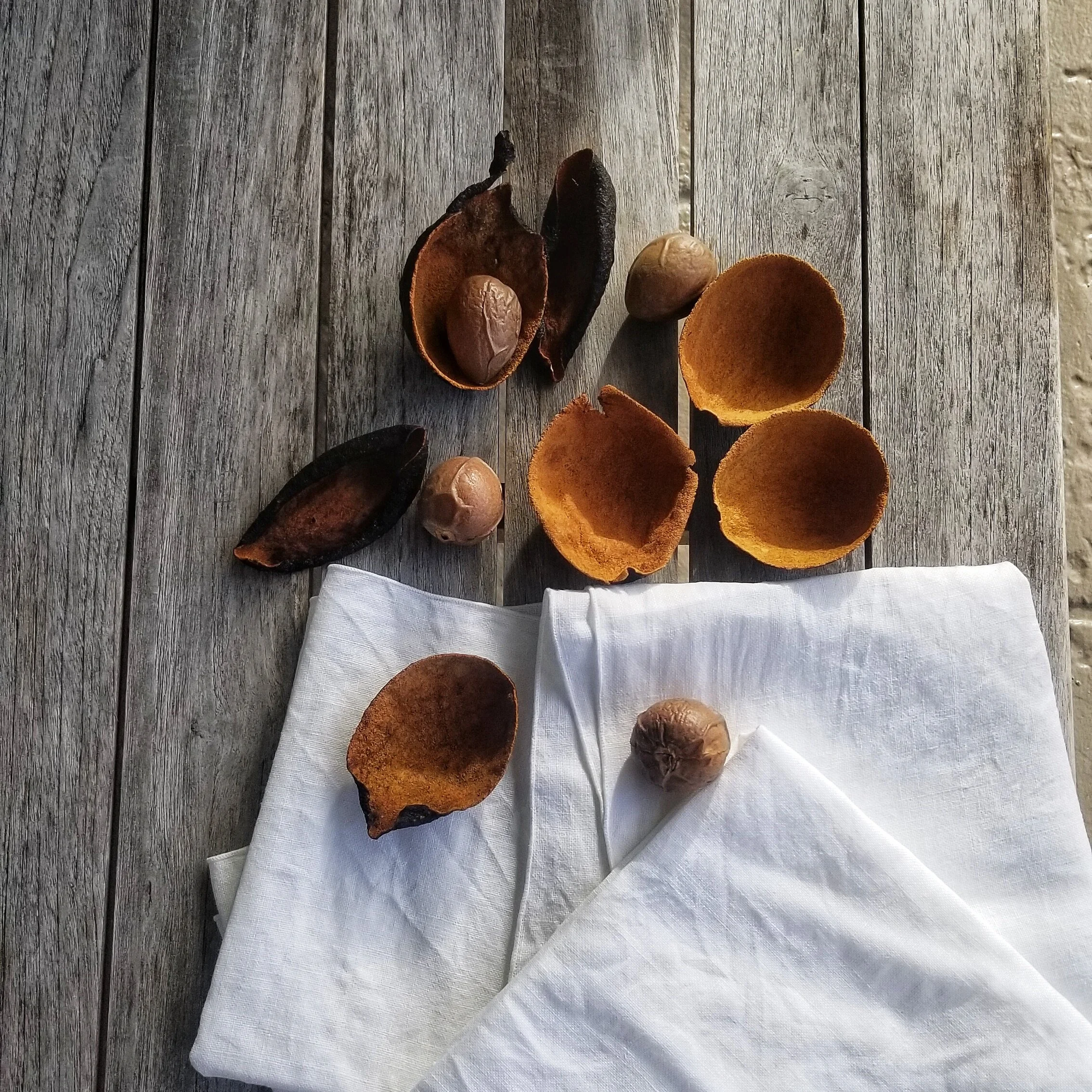
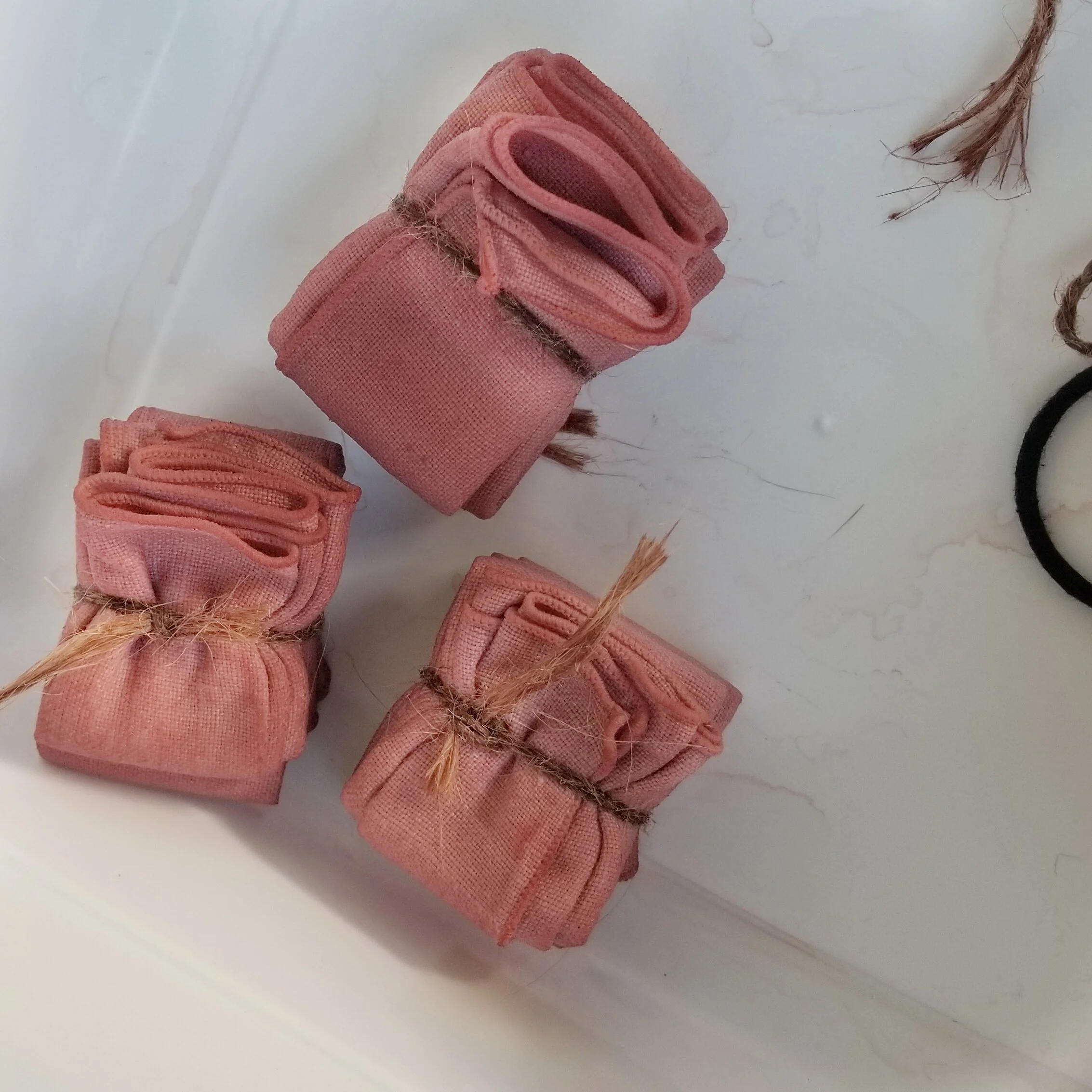
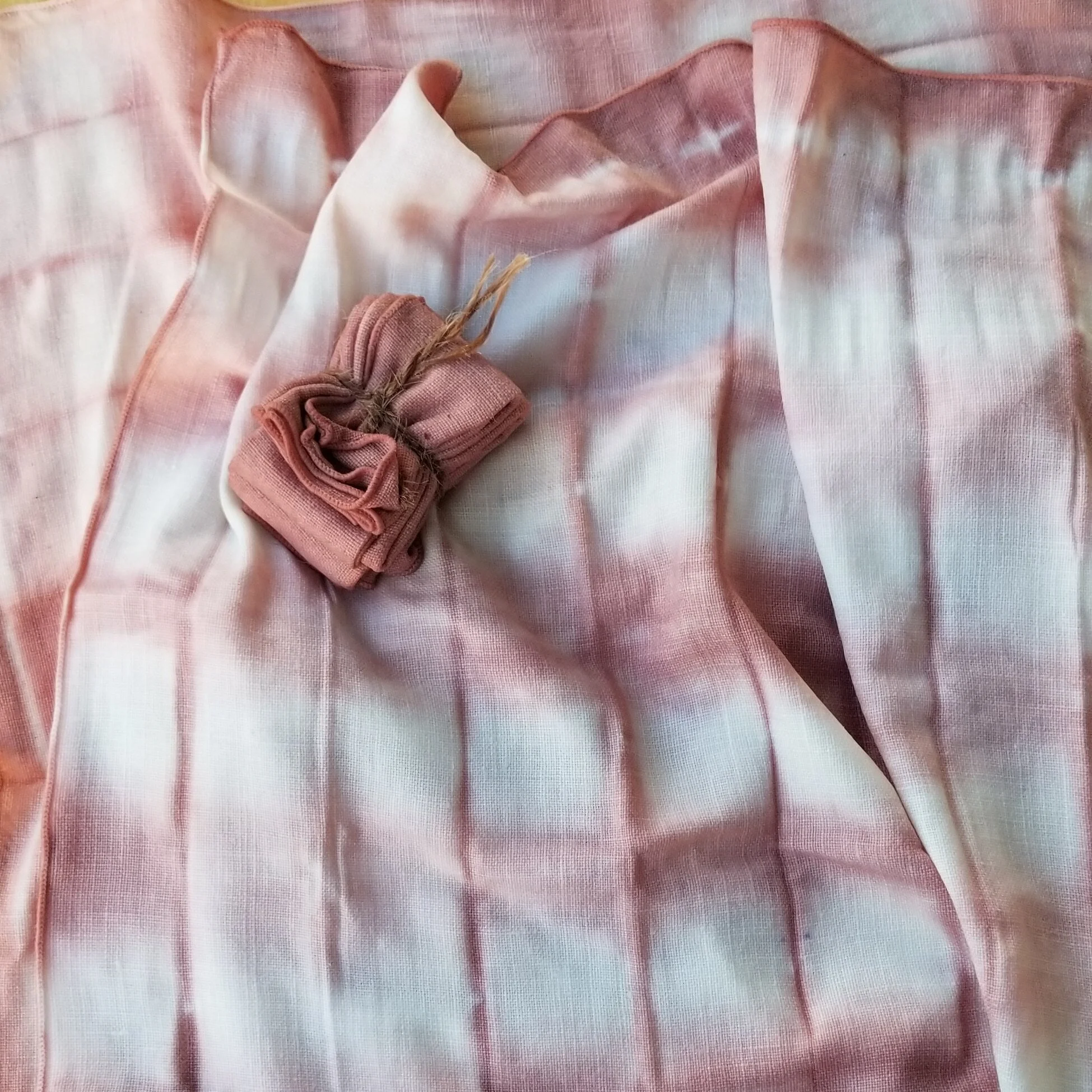
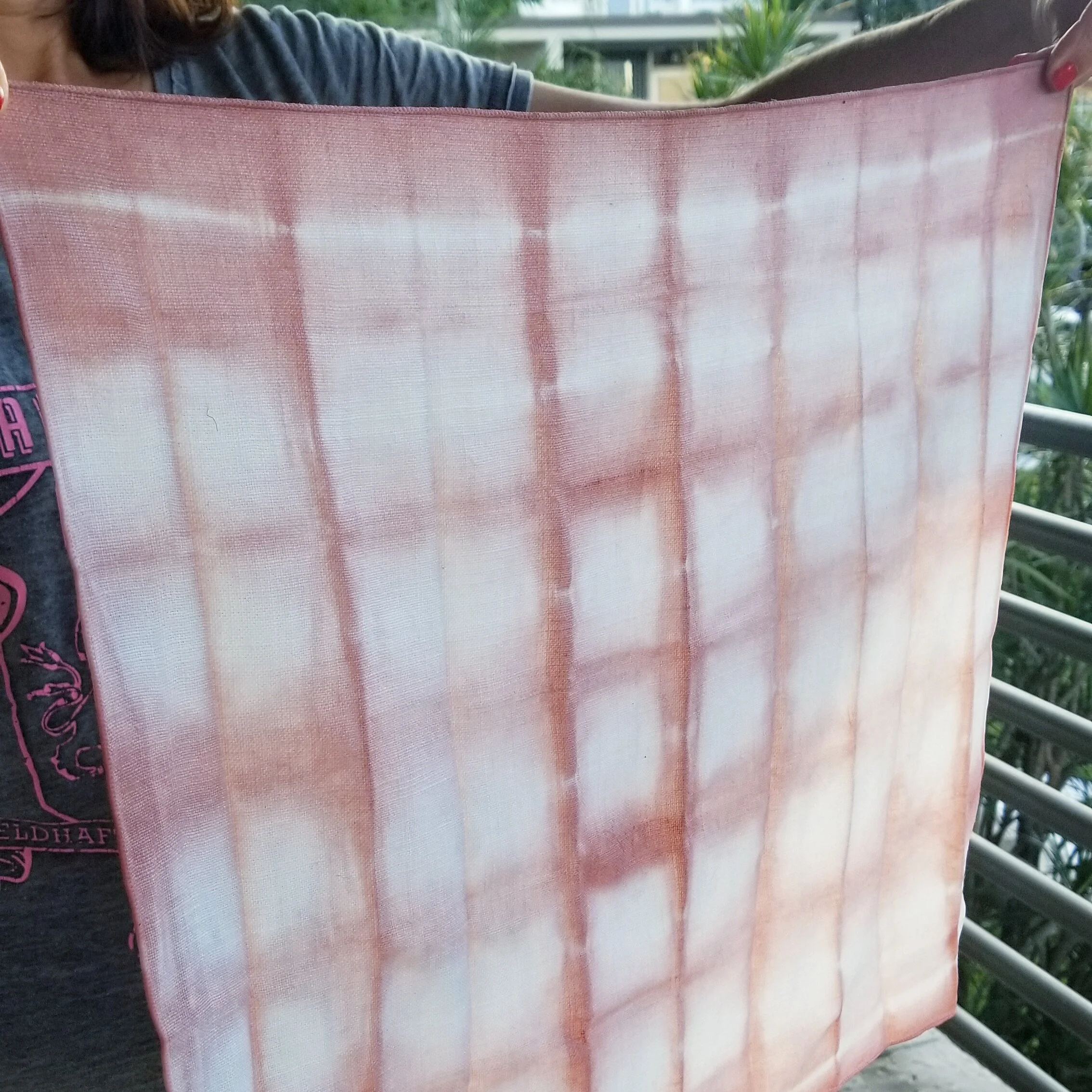
Did you know that avocados, as a natural dye, can produce the loveliest blush pink?
The process of dying with avocado skins and pits is so simple you will wonder why you never did this before.
Required:
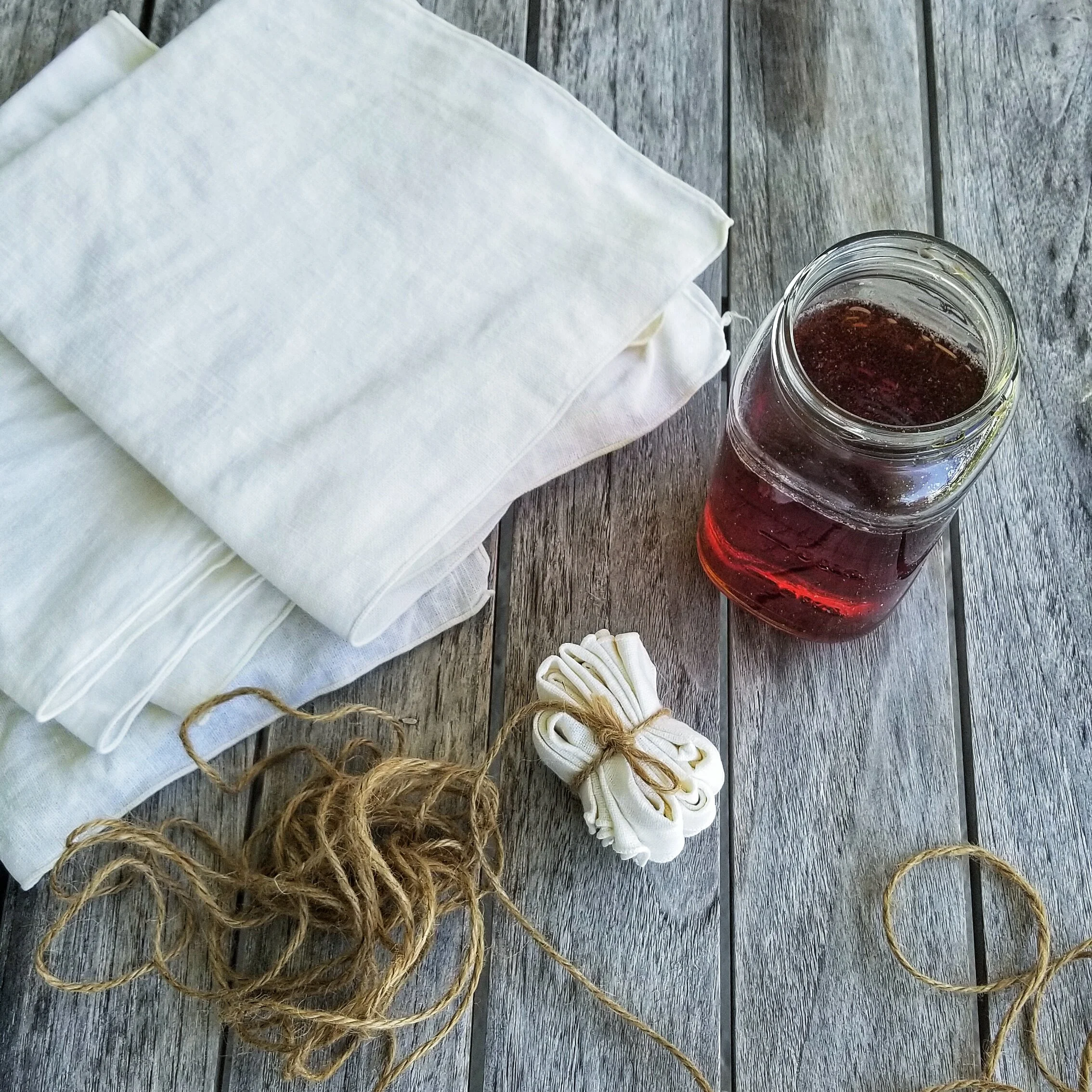
Natural Fiber Fabric (cotton, linen, silk, etc.) – This is the best time to revive an old or stained shirt. I used vintage linen napkins.
A large stainless steel or enamel pot and tongs – beware that the enamel may stain.
3-4 avocado pits and the skins -if you want to save them slowly over time, wash them off and freeze them or dry them on a sunny windowsill (this is what I did). Make sure to wash skins and pits thoroughly to remove any flesh left behind.
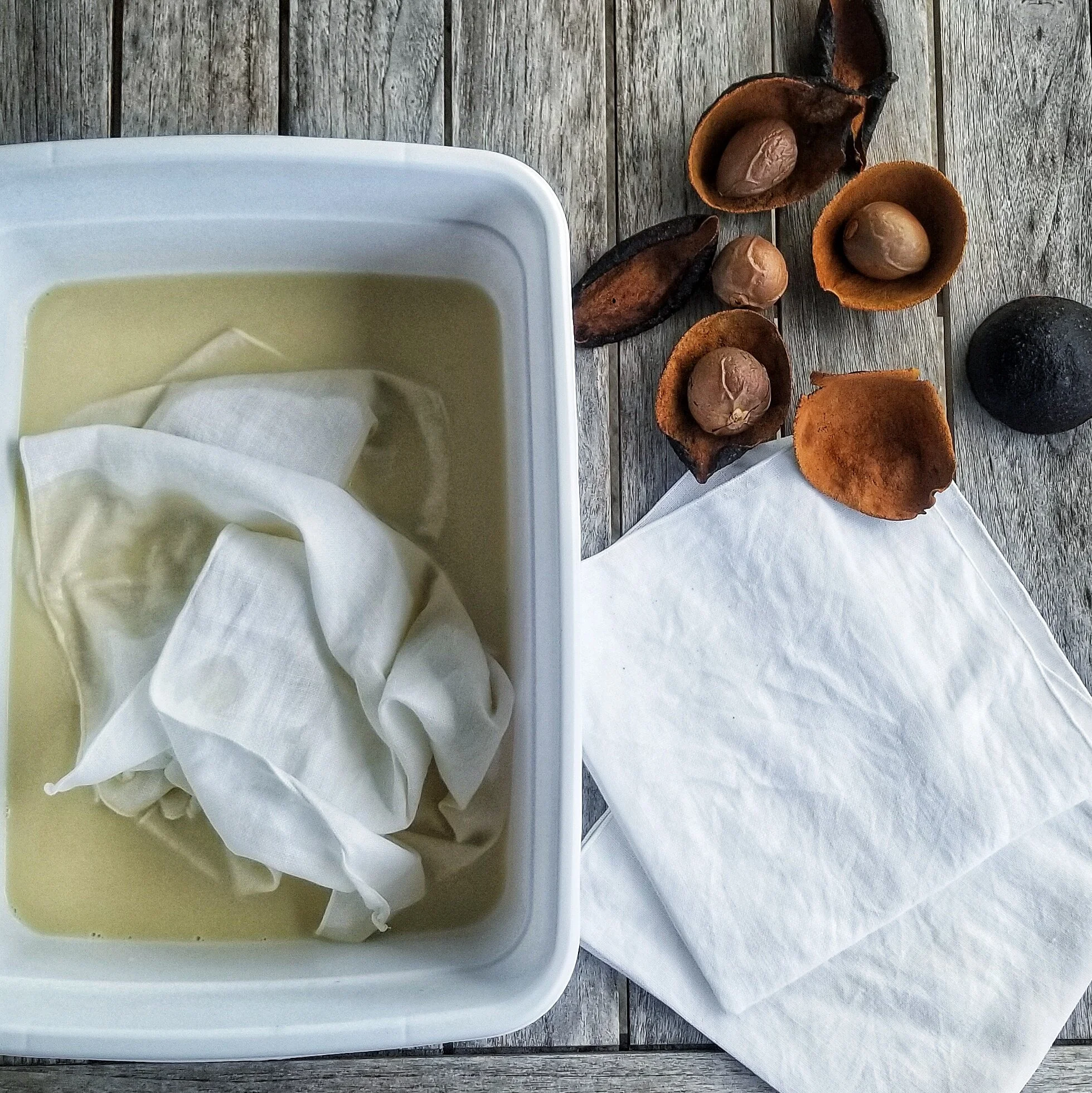
Soy milk to pretreat your cellulose fibers like cotton or linen
Directions:
1. Wash your fabric ahead of time and let it dry.
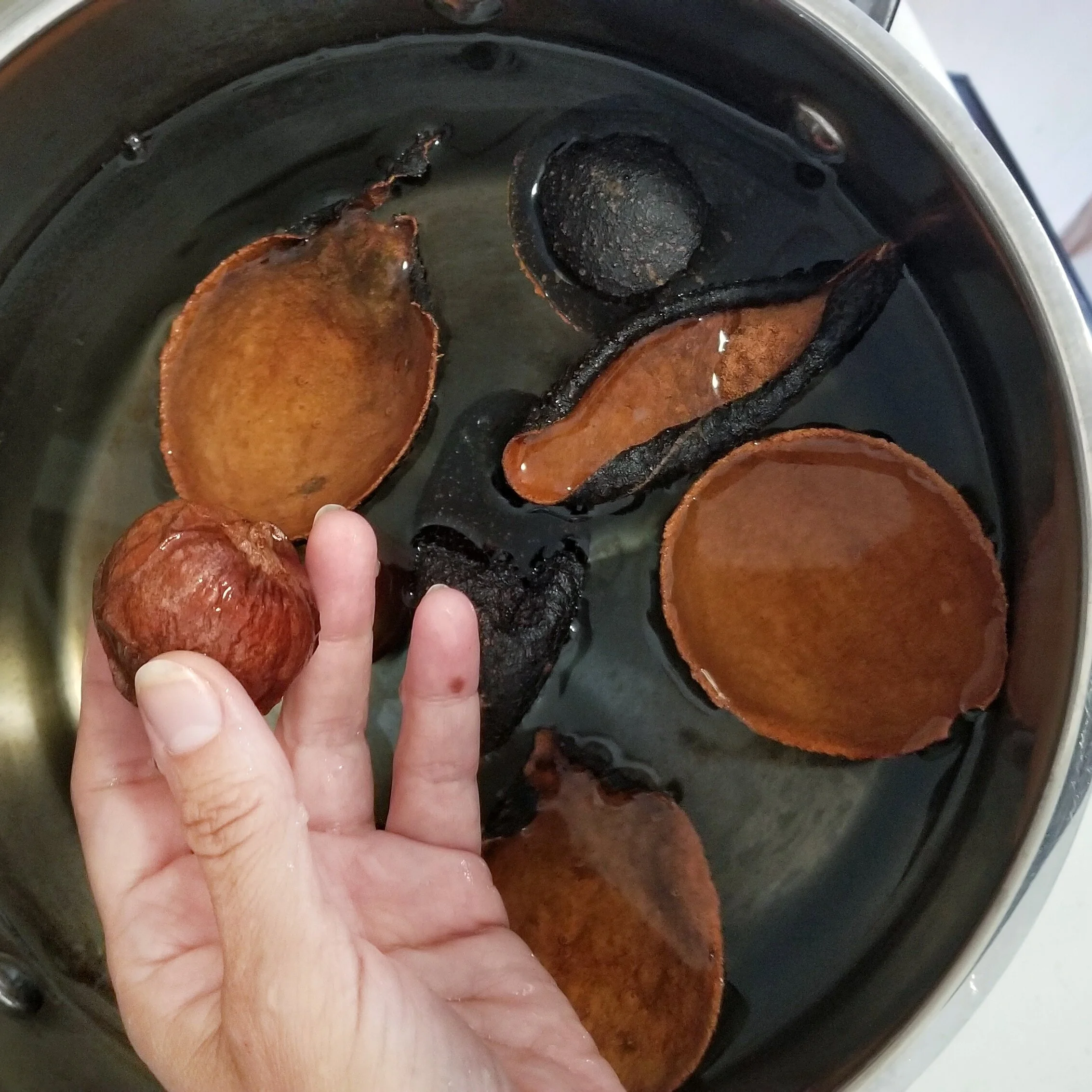
2. Place the avocado skins and pits into the bottom of the pot. Add enough water to cover the fabric.
3. Bring the water and avocado pits to a boil, then reduce heat to a simmer. Let the dye simmer for 30-60 minutes then remove from heat. To deepen the color let the dye bath sit overnight.
4. When you are ready to dye, remove the skins/pits with the tongs or strain out any fleshy bits and then add fabric to the dye bath.
5. Let the dye simmer while moving the fabric around to cover evenly.
6. Once 20-30 minutes have passed you can see the fabric will become light pink. If you want a darker color leave it for a longer period.
7. Carefully removed the fabric from the dye and rinse it in cold water.
8. Let it dry as the color will intensify.
Tips:
Soy milk is not a mordant but a binder and can be used to obtain a deeper color in cellulose/plant fibers like linen or cotton.
You can make your own soy milk or buy premade – but with not additives like sugar.
Soak garment in one part soy milk, 4 parts water and let it dry overnight.
Protein fibers (wool, silk) don’t need to be pretreated.
Do not use synthetic fabrics as they won’t change color much.
Soak the garment in soy after you have washed it and before you dye it.
Wash, soak in soy, let it dry overnight or longer, then rinse, and dye.
You can dye your fabric/garment by soaking it freely or choose a tie dye technique.
I used the Shibori method.
Best Fabrics for Summer Clothes
With global warming reaching unprecedented levels all over the world, sometimes it just gets too unbearably hot outside to enjoy the season. Wearing the appropriate clothes for hot, humid weather can help you enjoy outdoorsy events and adventures during even the warmest days.

Keep cool during hot weather
Best Fabrics for Summer Clothes
With global warming reaching unprecedented levels all over the world, sometimes it just gets too unbearably hot outside to enjoy the season. Wearing the appropriate clothes for hot, humid weather can help you enjoy outdoorsy events and adventures during even the warmest days.
The best fabrics and materials to wear during hot and humid weather are those that breathe and wick moisture to keep you cool and comfy. What you choose to wear will have a major impact not only on your look but on your mood level, right?!
On the innovative side we have fabrics like Tencel and Cupro that wick moisture like a triathlete’s suit, and the already tried and true summer favorites like Linen, Silk, Organic Cotton, Chambray, and Ramie.
I will focus on Cupro, the lesser known of the fabrics above, but one you should know because it drapes like silk and feels as soft as combed cotton. Besides its “drapiness” and movement, what I like about cupro it’s it zero waste sensibility as it is a by-product of the cotton industry.
Cupro fabric is made from regenerated cellulose fibres from recycled cotton linter – the fluffy fibre around the plant's seeds. It is the scrap cotton that remains on the cotton plant after the cotton harvest is completed, and it usually gets discarded during cotton production.
The extracted cellulose is soaked in a bath of a chemical solution called «cuprammonium », hence the name Cupro and the process is made in a closed-loop system. The chemicals used in the production of Cupro are constantly reused until they are completely exhausted. It’s made from 100% plant-based materials, so it’s biodegradable.
“By having an understanding of the impact that the materials that make our clothes have on the environment, can helps us make informed decisions”
Due to its intrinsic properties cupro can be used for several types of clothing items, from t-shirts to dresses. See below for some great examples.

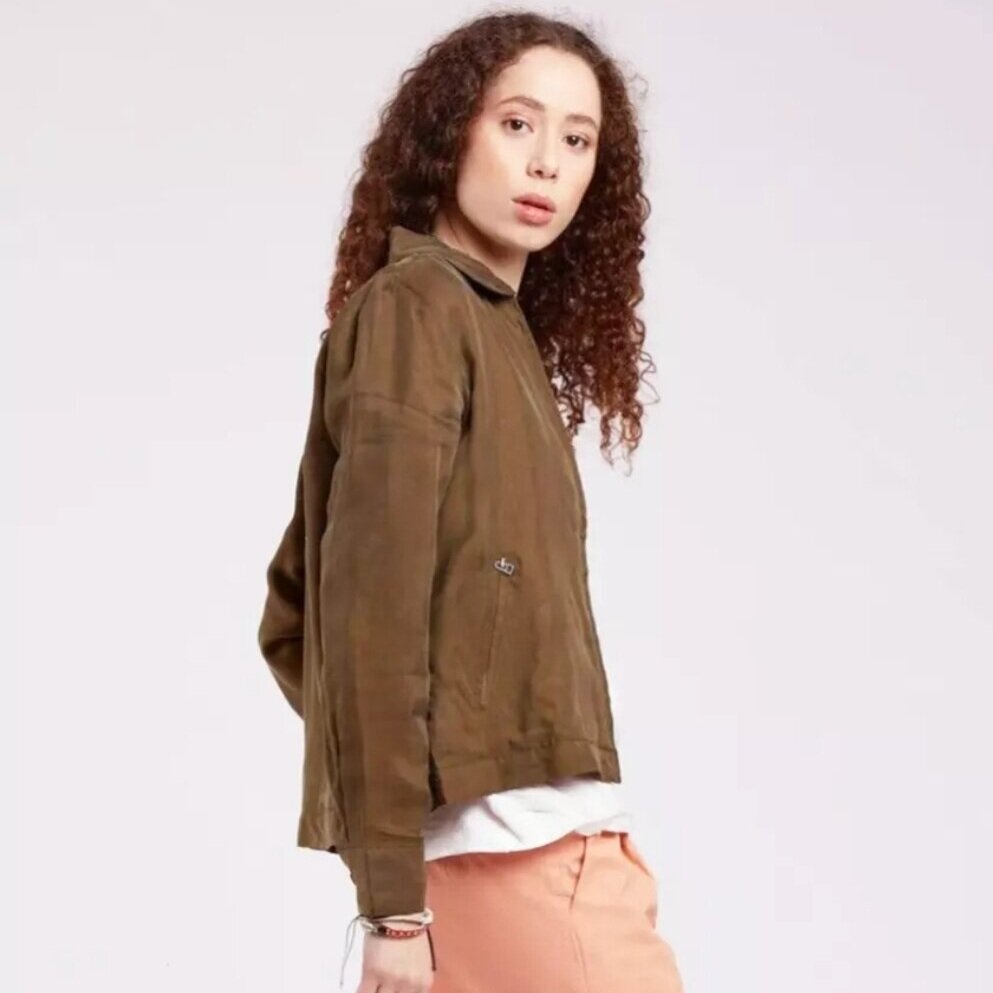


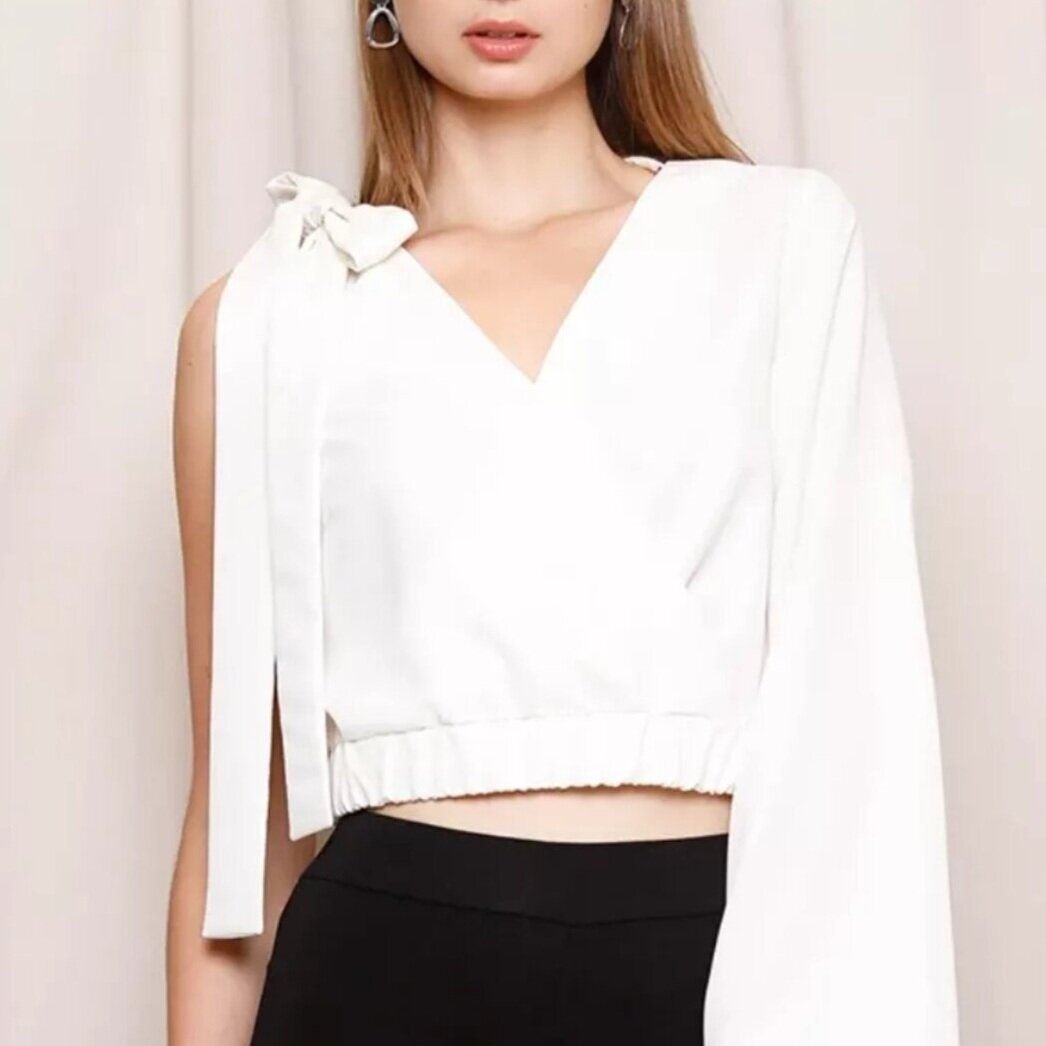
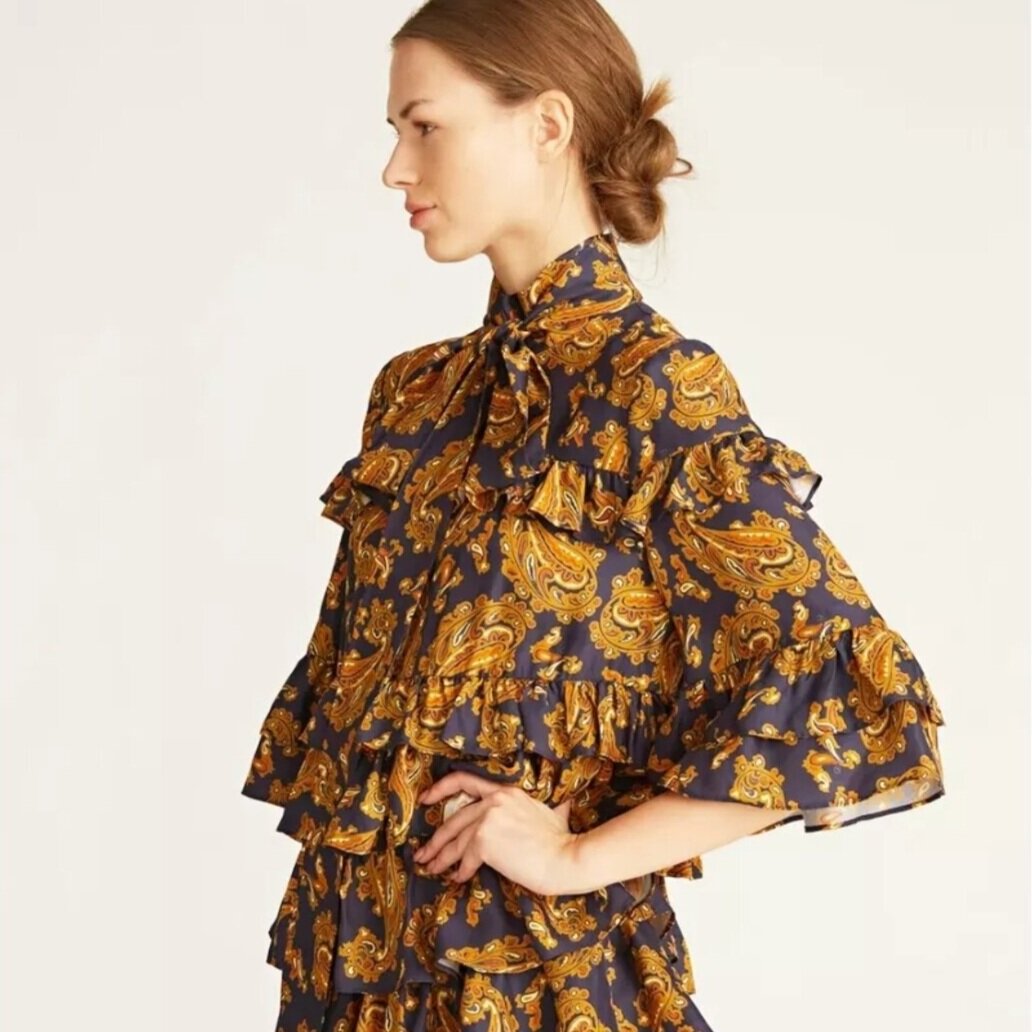
Nothing says Summer like linen clothes and watermelon
Eating within the cycles of nature has been done for years, but in today’s convenience driven world, seasonality seems obsolete.

Babinski Farm Stand, Water Mill, New York
It is not New Age-y to live in harmony with nature. Eating within the cycles of nature has been done for years, but in today’s convenience driven world, seasonality seems obsolete. Mangoes available in December? Seems like the norm.
But eating in season, connects you deeply to the earth and fosters respect to the food we are offered each new cycle. I would dare to compare this to our clothes and what we wear each season. We rarely think about how long our food traveled for it to reach our plates, creating a heavy environmental footprint on the way. Same thing happens with our clothes. They go through many laborious chains and travel around the world until they reach our closet. Therefore, it is so important to wear what we already have.
Rediscovering those linen garments, you put away during fall season, is like buying something new the following Summer. Dressing in season, just like eating in season, has a purpose: To help us keep cool -and well dressed- during those hot and humid summer days. Fabrics like linen, tencel, organic cotton, cupro are derived from the earth and wick moisture to keep us looking fresh.
Another reason to live within the seasons is less exposure to pesticides and preservatives. In order to keep out of season fruits and veggies fresh while jet-setting around the world, they must be sprayed with preservatives. Choosing local, in season, and organic when possible will reduce your exposure to pesticides. Same goes for organic linen, tencel, and organic cotton all grown without pesticides that can harm the soil or irritate the skin.
It may seem “out there” but living in touch with nature keeps us aligned to the earth, and teach us to appreciate what we have in the now.
Nail polish shades to try this summer
It’s summer time and time to set your toes free and bring out the brightest, boldest shades for your next pedicure.
![[phote credit: Nailmatic]](https://images.squarespace-cdn.com/content/v1/557f4891e4b016b020ff2427/1594530814540-TRH8YBGIX094GXS3SUF0/nail%2Bmatic%2Btop.jpg)
[phote credit: Nailmatic]
It’s summer time and time to set your toes free and bring out the brightest, boldest shades for your next pedicure. Summer inspires many colorful nail looks than the rest of the calendar year– shiny and glistening shades like a juicy watermelon or a lemon granita.
There are many clean brands offering “# - Free” and those are the ones you should invest on.
What does “# - Free” means? It means free of the following ingredients that could wreak havoc to your endocrine system:
5-free contains no formaldehyde, toluene, DBP, formaldehyde resin, camphor
7-free contains no formaldehyde, toluene, DBP, formaldehyde resin, camphor, ethyl tosylamide, xylene
9-free contains no formaldehyde, toluene, DBP, formaldehyde resin, camphor, ethyl tosylamide, xylene, parabens, acetone
10-free contains no formaldehyde, toluene, DBP, formaldehyde resin, camphor, ethyl tosylamide, xylene, parabens, acetone, TPHP, TBHP, gluten
To learn more about specific ingredients, visit ewg.org or cir-safety.org
Below are summery shades to keep you vibrant and safe during a heatwave:
Aila - 14 Free - Pinecuporn - $12
Kure - 10 Free - Frenchie - $18
Habit - 9 Free - Prairie - $18
Ella + Mila - 7 Free - ‘Cause I’m happy - $10.50
Lakur - 16 Free - Weekend Cheers - $18
Nail Matic - 10 Free - Eva - $12
Ten Over Ten - 8 Free - LA - $12
Sundays - 10 Free - Fuchsia - $18
Pacifica - 7 Free - Summer Fling - $9
Zoya - 10 Free - Harbor - $10
Orosa - 14 Free - Snow Cone - $12
Jin Soon - 10 Free - Baroque - $18


Natural and Effective Mosquito Repellents
As summer sets in, so do pesky mosquitoes. Natural but effective bugs repellents are essential this time of the year.
![[Image credit: The Colorful Dot]](https://images.squarespace-cdn.com/content/v1/557f4891e4b016b020ff2427/1594499243437-IVWZA5HRVGA0GA2NQAUS/image-asset.jpeg)
[Image credit: The Colorful Dot]
As summer sets in, so do pesky mosquitoes. Effective bugs repellents are essential, but as many people out there are doing, you may want to reduce your exposure to certain chemicals. The main ingredient you want to avoid in mosquito repellents is DEET (N,N-Diethyl-m-toluamide).
“A 2013 analysis of about 4,000 DEET-related calls to poison control centers found that 450 people needed medical treatment after applying DEET; two died. Most cases of seizures, slurred speech, coma and other serious side effects have occurred in people who ingested DEET or applied it for three or more days in a row, or used products with 95 percent DEET or more. It’s unclear whether lower doses pose the same risks, especially if you follow directions. Still, our experts urge children, seniors and those with weakened immunity to use it with extra caution” As reported by the Washington Post
Two other harmful ingredients to look out for in the list of ingredients are: Cyfluthrin and Pyrethroids. Both are linked to Neurotoxicity and the latter to endocrine disruption.
There are Plant Extracts that are effective in repelling insects like Citronella, Lemongrass, Clove oil, Eucalyptus, Geraniol, Linalool, Neem, and Thyme. Essential oils do the same thing the DEET does, but essential oils do not expose your body to toxic chemical when used correctly. The mosquito is smart enough to know that essential oils come from plants, trees, and flowers and since these items do not have blood moving through them, they move onto something else.
There are effective natural bug repellents in the market like the ones below:

Parakito has two options if you don’t like spraying on your skin. A refillable band that can be worn around the wrist or ankle, or a refillable clip that can be attached to a purse, belt, or anywhere where is needed. A single refill pellet fits in the mesh pocket and as the natural oils’ active ingredients are released mosquitoes can’t find you.
Ingredients as listed on their website:
INERT INGREDIENTS:
Vanillin
ACTIVE INGREDIENTS: Citronella oil, Rosemary oil, Geranium oil, Mint oil, Clove oil, Peppermint oil

Aromaflage is a fine fragrance that combines notes of citrus fruit, warm cedarwood, and silken vanilla that also repels insects. They also produce soy wax candles with lead free cotton with the same formula and a ceramic bracelet that you spray with the fragrances in order to repel the mosquitoes.
Ingredients as listed on their website:
Alcohol denat, Water, Parfum (essential oils of vanilla, cedarwood, orange, patchouli, vanillin
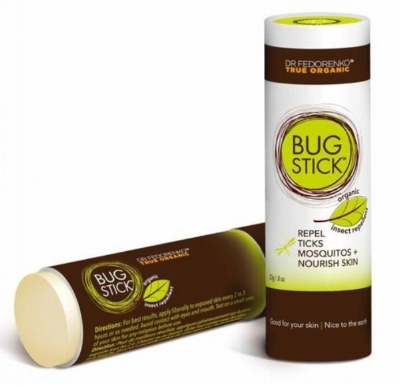
Dr. Fedorenko True Organic Stick has the texture of a balm and its designed to protect and nourish skin at the same time, while keeping mosquitoes and other insects at bay.
Ingredients as listed on their website:
Active ingredients: 2.5%*Cymbopogon Shoenanthus (Lemongrass) Oil, 2%*Cymbopogon Nardus (Citronella) Oil, 2%*Mentha Piperita (Peppermint) Oil, 1.48%*Rosmarinus Officinalis (Rosemary) Oil, 1%*Cedrus Atlantica (Cedar) Oil, 0.81%*Eugenia Caryophyllus (Clove) Flower Oil, 0.10%*Pelargonium Graveolens (Geranium) Flower Oil
Inactive Ingredients: *Cera Alba (Beeswax), *Helianthus Annuus (Sunflower) Seed Oil, *Vanilla Flavor, *Ricinus Communis (Castor) Seed Oil, *Theobroma Cacao (Cocoa) Seed Butter, *Nepeta Cataria (Catnip) Oil, *Citrus Aurantium Dulcis (Orange Peel) Oil, *Piper Nigerum (Black Pepper) Fruit Oil, *Prunus Dulcis (Sweet Almond) Oil, Mixed Tocopherols (Vitamin E), *Eucalyptus Citriodora (Lemon Eucalyptus) Oil, *Calendula Officinalis (Calendula) Flower Extract
Ingredients Marked (*) are Organic.

Palo Santo incense/stick is an aromatic wood that after ignited, the smoke repels mosquitoes, ants and other insects. It can be used as an alternative to citronella candles around the house or backyard. The scent of Palo Santo is extremely soothing and transmits a powerful energy.
The most important is to be informed and know the risks around your area so you can choose the right bug repellent for you and your family. If you decide to stick to DEET, avoid those formulas that have more than 30 percent DEET and spray it on your clothes instead of your skin.
Recipe: Zucchini Pasta with Avocado/Pesto Sauce
Zucchinis are a summer staple, and if you like pasta but want to avoid the calories or gluten, then “zucchini pasta” is for you.
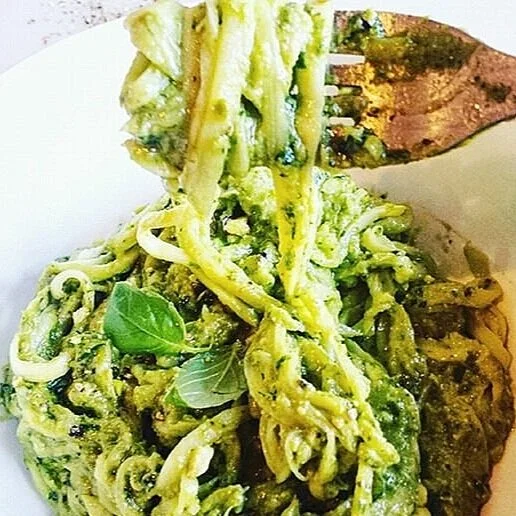
Zucchinis are a summer staple, and if you like pasta but avoid it due to calories or gluten, then “zucchini pasta” is a great dish to indulge in. I find that this dish is filling, healthy and it feels like you are eating a big bowl of pasta but gluten-free. It is incredibly easy to do, and you can have it as a main dish or as a side dish with your protein of choice.
This dish tastes equally delicious hot or cold. In summer time, you can serve it cold, with a side of heirloom tomatoes drizzle with olive oil and mint. For a pasta like feel, you can sautéed the noodles for a few minutes for a firmer touch. That’s pretty much all the cooking you will perform.
All you need to do is combine all the ingredients in a food processor (or blender) to make the pesto sauce. To make the zucchini noodles you can use a spiralizer or you can cut them julienne style.


Zucchini Pasta with Avocado/Pesto Sauce
-----------------------------------------------------
INGREDIENTS
Effort: Mild Medium Strong
Time: 20 minutes
Servings: 8
6 large organic zucchinis, spiralized
1 Tbsp olive oil
Sauce:
2 ripe avocados
1 cup fresh basil leaves
½ cup of fresh parsley (if you use pistachios)
3 cloves garlic
¼ cup pine nuts or chopped pistachios (reserve some for sprinkling on top)
2 Tbsp lemon juice
½ tsp. Himalayan salt
3 Tbsp olive oil
Parmesan cheese or grated brasil nuts for vegan option
Cracked black pepper to taste
PREP
Spiralize your zucchini and set aside in a colander to drain.
If short on time, lay them in paper towels so that any excess water is soaked up.
In a food processor, add the avocados, basil leaves, parsley, garlic, pine nuts or pistachios, lemon juice and Himalayan salt and pulse until finely chopped. Then with the motor still running, add olive oil in a slow stream until smooth and creamy.
Drizzle olive oil in a skillet over medium high heat then add zucchini noodles, cooking for about 1 to 2 minutes.
Add zucchini noodles to a large bowl and toss with avocado pesto.
Season with cracked pepper and sprinkle Parmesan or grated brazil nuts and the chopped pistachios.
TIPS:
Always buy organic Zucchinis since conventional ones are genetically modified.
I recommend investing in a small spiralizer like this, it is easy to use and you don’t need much space to store it. This other style is the Paderno, a “classic spiralizer” that most people know and use and stacks together for storage.
Since Zucchinis are made of 95% water, once spiralized let them drain in a colander.
Add the sauce once you are ready to serve to avoid “watery” noodles.
You can easily replace pine nuts for chopped pistachios
To peel the pistachios faster, toast them lightly, and when they cool, the skin will come off.
If you decide to go for the pistachios, add the ½ cup of parsley to tone down the sweetness
Natural Deodorants that Work
Natural deodorants have a bad rap for not working properly and not controlling sweat. But these tried and true options may change your mind.

Natural deodorants have a bad rap for not working properly and not controlling sweat. The conversation about body odor is not one people often have or want to have. But it happens, and you should know that the odor actually comes from bacteria and there are ways to prevent it.
The thing about natural deodorants is that they are not meant to stop sweating, anti-perspirants do that, by blocking your glands entirely with the help of aluminum. This is the problem with antiperspirants and the aluminum in them:
“Studies have suggested that aluminum can alter DNA and cause epigenetic changes, both of which support its potential role in cancer development. Moreover, breast biopsies have demonstrated aluminum levels within the breast tissue and the breast fat, with higher quantities seen in the outer regions of the breast.”
I must confess that I have not worn conventional deodorants and neither anti-perspirants in many years. I have not lost any family members or friends yet – So I can only assume that I am not offensively stinky. I would never go back to conventional anti-perspirants or deodorants because my health is far more important that just smelling fresh.
As I mentioned above, it is bacteria that causes the stinkiness in your armpits. Staphylococcus hominis to be exact (Google it: University of York + Staphylococcus hominis).
Yes, sometimes I can get stinky, but so does people who wear conventional deodorants or anti-perspirants. Sweating is natural and it is how your body detoxes. If you agonize about the smell this is how you cope: wash your armpits regularly and wear a natural deodorant. Also, do not keep your razor inside the shower, make sure it is dry and clean to avoid bacteria or mold buil up.
Yes, until your body adjusts, you may stink, but don’t blame it on the natural deodorant. Carry cleansing wipes with you if you have to.
You may need to give your body a “detox” of a week before you apply the natural deodorant. Use a small loofah to gently scrub dead cells while you shower. You can apply coconut oil to moisturize and protect the skin. Coconut oil is a natural antibacterial. If you shave, try your best to do it the night before to give your skin a rest.
I have tried these 4 deodorants below in different scenarios, from yoga to a sweltering beach, first dates, walking down Lincoln road at noon in July, not showering, chasing a cab in Times Square in August. I put these deodorants to work and they delivered.
Please know and understand that there will be no “sweat stopping” from your armpits. Only “unpleasant odors” preventing. For me, they all worked well, but some better than others. Remember that everyone is different - from different P.H. and foods that you eat affect your sweat - so what works for me may not work for you and vice-versa:
Soapwalla Deodorant Créme 2 oz glass jar / $14 / vegan

There are 2 versions: Unscented and Citrus
When I bought it I was told it was unscented. That’s why I chose it, because I prefer body care without a fragrance. But it does smell like tea tree oil, well because it is part of the ingredients. Not a strong smell that would stop me from using it as it fades away.
These are the ingredients:
Simmondsia chinensis (Jojoba) Oil*; Helianthus Annuus (Sunflower) Oil*; Rosehip Seed Oil*; Butyrospermun parkii (Shea) Butter; Corn Starch*+; Sodium Bicarbonate+; Kaolin Clay; Vegan Kosher Glycerin*+; a custom blend of essential oils, including: Lavandula Angustifolia (Lavender)*; Melaleuca Alternifolia (Tea Tree)*; Citrus Sinensis (Sweet Orange); Mentha Piperita (Peppermint)*; Citrus Aurantium Bergamia (Bergaptene-free Bergamot)*; Non-GMO Soy lecithin*+; Non-GMO Vitamin E*+.
This deodorant (either scent) is a favorite among natural deodorant users, and the evidence is in the reviews. In the picture it looks like it is hard, but it is actually a crème. It absorbs quickly so it doesn’t leave a white spot. In the website it says that it may melt, but that was never my experience. It does have baking soda, so if you are sensitive it may not work for you. You may need to wait a few hours after you shaved so you can use it. I am telling you this because it happened to me, and I screamed. But it really works!
Meow Meow Tweet Deodorant Cream 2.4 oz glass jar / $14 / vegan

There are 4 versions: grapefruit or lavender baking soda free, and tea tree and lavender with baking soda.
These are the ingredients:
maranta arudinacea (arrowroot) powder, *butyrospermum parkii (shea) butter, magnesium hydroxide, *cocos nucifera (virgin coconut) oil, *simmondsia chinensis (jojoba) oil, citrus paradisii (grapefruit) essential oil, citrus bergamia (bergamot) essential oil, *citrus sinensis (sweet orange) essential oil, *citrus limon (lemon) essential oil
I tried the grapefruit scent, without baking soda and clay, designed for sensitive skins. Instead, it has dietary magnesium and arrowroot powder to help control moisture and odor. It is also safe to use right after you shave as it won’t sting at all. I like the subtle grapefruit scent and that it spreads easily, moisturizing the arm pit as it is creamy. It does “melt” under warm conditions, and it says so in their website. This one didn’t perform too well on me during sweltering weather. But I would definitely buy it again and use it in cooler days. You only need a little and it lasts for a long time. I like that the container is made of glass and not of plastic like the others. They also have these paper tube versions for a zero waste option.
Schmidt’s Natural Deodorant 2.4 oz glass jar / $9.99 / vegan /gluten free

There are many scents and one unscented to choose from. The one you see in the pic is the travel size. The 2.4 oz size comes in a glass jar with a little spatula to help you apply. The jar can be sent back to Schimidt’s to be recycled as part of their recycling club.
These are the ingredients:
Butyrospermum parkii (shea butter), Sodium bicarbonate (baking soda), Maranta arundinacea (arrowroot) powder, Theobroma cacao (cocoa) seed butter, Salvia sclarea (clary sage) essential oil, Lavandula (lavender) essential oil, Tocopherol (vitamin E), Humulus lupulus (hop) extract
I actually chose the Lavender + Sage since lavender is my favorite scent. It smells clean and it is not overpowering. You do have to dig into the jar with your finger to apply the product. You have to rub it first in your fingers to melt it and then you can apply. Otherwise it will just clump on your pit. But not a big deal, once it melts it absorbs quickly. If that is too much work just opt for the stick. It will keep you odorless for many hours. The price makes it attractive enough to try it as your first natural deodorant.
Blissoma Natural Deodorant 2oz stick / $16 / vegan

There's only an Unscented stick that comes in two sizes.
These are the ingredients:
Sodium bicarbonate (Baking Soda), Helianthus annuus (Sunflower) Oil*, Mangifera indica (Mango) Butter, Diatomaceous Earth, Bentonite, Cocos nucifera (Coconut) Oil*, Euphorbia cerifera (Candelilla) wax, Maranta arundinacea (Arrowroot) powder*, Ricinus communis (Castor) oil*, Zinc Oxide, Caprylic/Capric/Palmitic/Stearic Glycerides, Lecithin* (Soy), Sorbitan Stearate
The bentonite makes for a weird looking pit if you are wearing a sleeveless shirt. But who cares if your deodorant is keeping you fresh and odor free? It has zinc oxide that calms sensitive skin. It also has baking soda and arrowroot like the ones above. In the picture it looks hard to apply, but since it has mango butter it glides and absorbs easily. I liked that it has no scent, and that their formula works wonders for odor protection.
Wear Your Values
Understanding the difference between sustainable or ethical fashion will help you build a conscious closet effortlessly.

Understanding the difference between sustainable or ethical fashion will help you build a conscious closet effortlessly. I always say: “WEAR YOUR VALUES”, and this is a good starting point. You can make an impact and a statement by aligning your values to the companies you purchase from.
Ask yourself what are you passionate about: Animal welfare, human rights, or climate change and pollution?
Focus on what is important to you and what kind of causes you want to support:
GREEN:
Green is a broader term to denote that one of the following methods of production have been used but does not guarantee that workers have been compensated right or that production did not harm the environment. But it does include new technology, for example waterless denim and textiles made from recycled plastic bottles.
ETHICAL:
Clothes that are ethical are produced in a way that doesn’t harm or exploit workers and/or animals all along the supply chain and production. Includes fair work conditions, living wages, reviving and supporting traditional skills and crafts, and cruelty-free products.
SUSTAINABLE:
A garment is considered sustainable when it’s produced with a minimum impact on the planet. It includes natural textiles and materials like organic cotton or tencel, low-carbon footprint, non-toxic dyes, recycled materials, buying second-hand clothes, upcycling, and more. The focus is to produce little or no pollution, less waste, and use fewer natural resources.
VEGAN & CRUELTY FREE:
Products labeled as vegan do not contain leather or animal byproducts and no animals were harmed in the process of making the product, like no fur and no animal torture.
SLOW FASHION:
Slow fashion is the antithesis of fast fashion and encourages us to buy less garments made of higher quality and through a sustainable process. It puts emphasis on the art of making clothes and celebrates the skills of the craftspeople who makes them.
FAIR TRADE:
In purchasing these products, you are helping to alleviate poverty in developing countries, ensuring that workers are paid fairly, that they work under humane conditions and have a clear understanding of their labor rights. Sustainable methods of production are encouraged, as well as a transparent supply chain.
Household product alternatives to plastic-made
These days seems that it is virtually impossible to avoid plastic in our daily lives but with a few alternatives we can make it happen.

It is virtually impossible to avoid plastic in our daily lives. Plastic is at our fingertips all day long. From the toothbrush, the shower curtain, your personal care products, your take-out lunch, to your keyboard and your water bottle. Over the last ten years the US has produced more plastic than during the whole of the last century, and it sadly accounts for around 10% of the total waste generated.
Since we pretty much depend on plastic and don’t think twice in storing food in the mismatched Tupperware that inhabits in the cupboard, here are some facts to make you reconsider replacing plastic with eco-friendly alternatives:
It is believed that 90% of all the trash floating in the ocean is made up of plastic.
Researchers have found that plastic debris acts like a sponge for toxic chemicals, soaking up in higher concentration deadly compounds like PCBs and DDE. These particles become highly toxic poisons to marine animals who frequently consume them.
Plastic bags can take up to 1,000 years to break down, so even when an animal dies and decays after ingesting a bag, the plastic re-enters the environment, posing a continuing threat to wildlife.
Only 14% of plastic water bottles are recycled. Americans consume 190 billion sodas, juice drinks, and other beverages packaged in plastic or glass bottles and aluminum cans each year. That’s over 650 containers per person per year—or almost two containers a day for every person living in the United States. *
The average life expectancy of a toothbrush is about 75 years, and each of us will throw away about 12 pounds of plastic toothbrushes in our lifetime
Straws can’t be recycled and most people only use them once. In the U.S., we use 500 million straws a day, enough straw waste to wrap the circumference of the earth 2.5 times or to fill the Yankee Stadium over 9 times in a year.
Old habits are hard to break but it is worth the effort to minimize the use of plastic when you read about these crazy facts.
Most of the plastic products we commonly use can be replaced with an eco alternative like the ones below:
Sponge Cloths
The alternative to sponges (normally made of plastic polymers) or to paper towel for that matter, is a reusable sponge cloth or dishtowel. Sponge cloths are made of 100% natural cellulose, a material derived from wood pulp, which is a renewable resource. Just like a dishtowel that you can reuse several time to clean up spills, the sponge cloth is super absorbent and you can wash it and reuse it many times, plus it is sturdier than regular paper towel.
Reusable Snack Bags
These snack bags and sandwich sacks provide an environmentally friendly alternative to regular plastic sacks. Yes they are made of plastic, but free of BPA, PVC, latex and phthalates and are easy to clean and very convenient to take with you since they are sturdier than regular plastic bags. They come in sets of four (two sandwich and two snack bags), and allow people to cut back on paper and plastic waste.
Bees Wrap
Bees Wrap was created as a more sustainable way to store our food. By infusing organic cotton with beeswax, organic jojoba oil, and tree resin, a washable, reusable, and compostable alternative to plastic wrap was created. It has a beautiful honey scent and it hangs on very well to bowls and works well as a wrapper for anything that you used saran wrap for. At the end of your wrap’s useful life in the kitchen you can reuse it as I fire starter!
Bamboo Toothbrush
Bamboo is naturally antibacterial and water-resistant, making it ideal for your toothbrush handle.
Baggu Reusable Bags
These are made from 100% ripstop nylon and are machine washable. Each bag can hold 2-3 plastic grocery bags worth of groceries. After each use you can fold them into a flat 5 in. x 5 in. pouch and store them in an orderly manner. Click here to see the different styles.
Stainless Steel Straws
Straws are such an unnecessary evil but it seems no cocktail or smoothie can’t go without one. Stainless Steel straws look stylish, are BPA-free and are the non-toxic alternative to disposable plastic drinking straws. They are manufactured from high quality grade food safe stainless steel so it is durable and dishwasher safe too. They come with a small brush that you can insert for thorough cleaning.
Bambu Spork
It is the best alternative to plastic silverware and since it is made from a single piece of bamboo, it doesn’t need glue or lacquers so it is safe to use with your organic food. Its size and weight makes it super portable and considering that it’s made from bamboo it’s naturally antimicrobial, stain resistant, and won’t retain stinky odors.
Weck Jars and Mason Jars
The green smoothie and pressed juices “movement” put the mason jars back in the radar. If you are still using plastic to store your food you are not only ingesting BPA but those containers will take years to decompose. Both mason jars and weck jars will keep your food fresh and will make it easy to take on the go and rinse off. The weck jars are easy to stack to save space and both can be used to store more than just food. Click here for more ideas on how to use weck jars and here for mason jars.
*Center for Climate and Energy Solutions