
The Truth about Make Up Cleansing Wipes
Make Up cleansing wipes have become a popular beauty item because they help to remove make-up or to freshen up in a cinch. However, depending on the brand, instead of cleansing your skin, you are leaving toxic chemicals behind.

[picture credit: Natracare]
Make Up cleansing wipes have become a popular beauty item because they help to remove make-up or to freshen up in a cinch. They are also easy to carry in your purse, gym bag, or while traveling. A few swipes and you are feeling clean and refreshed.
However, depending on the brand, instead of cleansing your skin, you are leaving toxic chemicals behind. This quick video explains how:
The Dirty Truth About Make-up Wipes - click here
I checked the ingredients of 3 of the leading cleansing wipes in the market and at first glance I noticed: FORMALDEHYDE AND PARABENS. Formaldehyde and parabens are used as preservatives in order to discourage the growth of microbes. Unfortunately, Parabens are known to disrupt hormonal function, an effect that is linked to increased risk of breast cancer and reproductive toxicity.*

Make Up Cleansing wipes
Formaldehyde is classified as “carcinogenic to humans” by the International Agency for Research on Carcinogens (IARC). If due to consumer demands, formaldehyde was removed from nail polishes - why is still used for cleansing wipes? “In the U.S. approximately 20% of cosmetics and personal care products contain a formaldehyde-releaser and the frequency of allergic reactions to these ingredients is much higher among Americans compared to incidents in Europe”.**
As of now, there are no restrictions in the US on the levels of formaldehyde allowed in any body-care products, no requirement to test products made with formaldehyde-releasing preservatives for levels of formaldehyde, and certainly no obligation to inform consumers that the products they use each day are likely to contain a cancer-causing chemical that does not appear on the list of ingredients.*
There are alternatives that are nurturing to the skin and as well biodegradable. Here are a few of them:

Natracare
Natracare - Infused with the organic essential oils of almond, apricot and chamomile, Natracare Cleansing Make-Up Removal Wipes leave your skin moisturized, cleansed and refreshed naturally.

Josie Maran Bear Naked Wipes- These handy wipes are soaked in pure, skin-balancing Argan Oil, aloe vera that soothes the skin, refreshing cucumber extract, and Vitamin E that conditiosn and refines. Each wipe is biodegradable and a portion of what you pay goes to the Natural Resources Defense Council's Polar Bear SOS Initiative.

Blum Naturals
Blum Naturals- These Towelettes are infused with natural and organic botanicals like Aloe Vera Extract, Chamomile, and Organic Ylang Ylang Oil that help remove eye & face make-up.

Yes to Cucumbers
Yes To Cucumbers Facial Wipes - These wipes gently remove dirt, sweat and makeup without the need to rinse. Packed with green superfoods like Green Tea and Cucumbers, these all-natural, biodegradable wipes naturally exfoliate, detoxify, and rejuvenate all-in-one.
*Source: Campaign for Sage Cosmetics
**Source: EWG Cosmetics Database
Sleep sweeter with organic bedding
Just like choosing organic food, natural bedding materials are key to our long-term health.

[photo credit: Grund ]
Just like choosing organic food, natural bedding materials are key to our long-term health.
Good quality sheets are an investment, but not only for you but for the environment. Conventional cotton farming uses more pesticides than any other area of agricultural production. Water run-off from cotton fields to rivers and lakes is common and the pesticides have a direct toxic effect upon wildlife.
Moreover, cotton sheets labeled “Wrinkle-Free”, “Easy Care” and “Permanent Press” indicate the fabric has been treated with formaldehyde resin, one of the most toxic chemical fabric finishes that is designed NOT to wash out.
If you decide to invest in sustainably made sheets these are a few of the certifications to look for:
Oeko-Tex® certification - The Oeko-Tex® Association is a global testing program that screens more than 300 harmful substances in consumer textiles, including toxins and irritants.
GOTS logo – Gots stands for Global Organic Textile Standard. Both certify textiles to be free of harmful chemicals, but GOTS takes it a step further and certifies that no harmful chemicals were used from harvest through manufacture, waste was disposed responsibly, and fair labor practices are enforced.
The Better Cotton Initiative (BCI) - BCI exists to make global cotton production better for the people who produce it, better for the environment it grows in and better for the sector’s future.
Fair Trade Cotton -Fairtrade-certified cotton guarantees farmers a fair price for their crop and is produced without using the harmful pesticides, child labor or forced labor.
In terms of brands, if you make a google search there are plenty to choose from, but I gathered a few below with different budgets, styles and décor in mind:
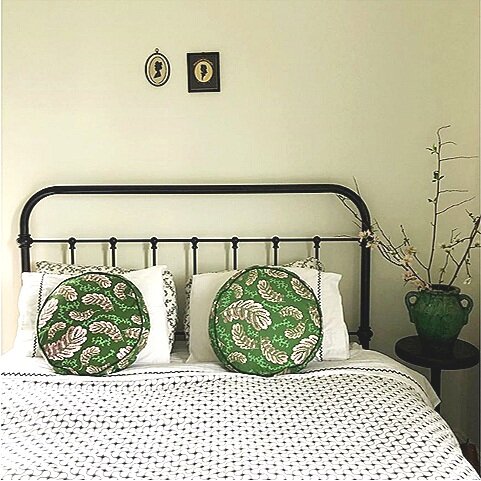

[photo credit: Left: Plover // Right: Delilah Home ]
Coyuchi - Organic, Fair Trade Certified, GOTS Certified. Crib sets available as well.
Ettitude - Made from 100% organic bamboo which is softer, cooler and more sustainable than cotton.
Delilah Home – Member of the Organic Trade Association (OTA) offers organic cotton and hemp and partners with local and national charities.
Sol Organic - 100% raw organic cotton, Fair Trade Certified, GOTS Certified.
Pact - Organic cotton and Fair Trade Certified.
Plover - Global Organic Textile Standard (GOTS) certified, Oeko-Tex's Standard 100 certified, and donates and partners with Save the Children.
West Elm - Organic, Fair Trade Certified, GOTS Certified, also available in tencel and linen.
Natural Mat - Unbleached and undyed organic cotton, GOTS certified and the Soil Association certified bedding for babies and kids.
Green Fibres - GOTS certified organic cotton, made under fair and safe working conditions for the whole family.
Grund – Luxury brand Oeko-Tex's Standard 100 certified and FSC .